This is not a summary from someone who stood outside. It is what we have to tell you from inside the walking, the looking, the listening. We each noticed something different, felt something different, and wrote it down. Read this as you would move through a city where stone, smoke, prayer, commerce, migration, and memory all occupy the same street.
What we felt in Quanzhou was never one thing. It was devotional and curious, grand and intimate, historical and immediate. It lives in cracked bricks and sweet incense, in carved pillars, in museum silence, in a coffee shop where young people talk about love and pets, and in the persistent question of what survives modernity. We are still asking it.
“低头寻心,是我穿梭于泉州诸多寺庙后的汇合。”
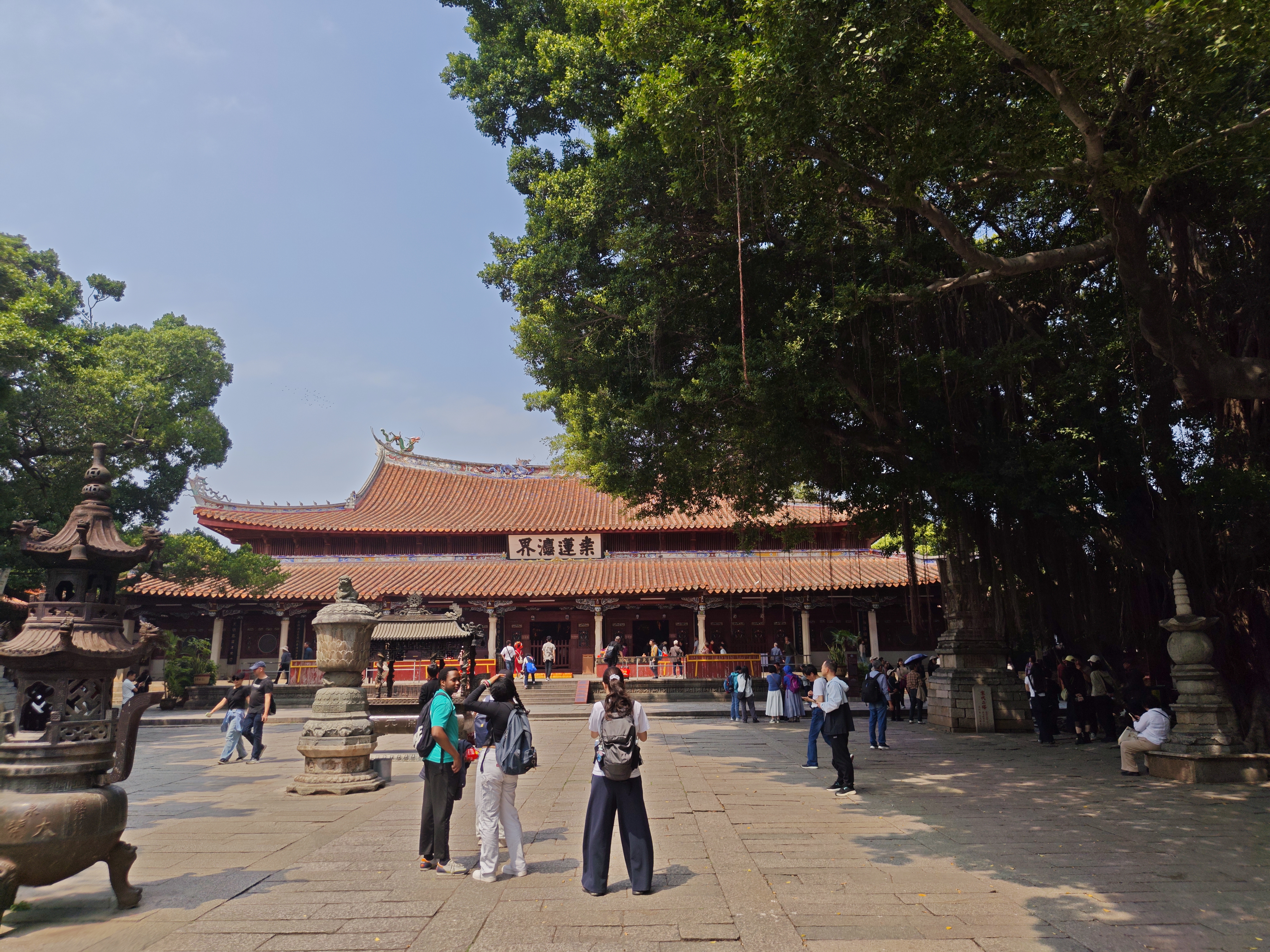
From the West Pagoda of Kaiyuan Temple, through the Mahavira Hall, Guanyin, and the sutra repository, I moved through each space and my search turned inward. Finding the 放心石 wasn't a dramatic revelation—it was a return. I retraced my steps, re-saw what I had just looked at, and only then noticed the weathered stone beneath the pagoda.
I bent down to study the written heart. I traced the order of the strokes with my fingers, and I found myself imagining Master Hongyi doing the same in an early spring light. The image stayed with me: the dot of "心" not placed squarely in the middle, but lightly set beneath, like a morning sun hanging among mulberry leaves.
What I wanted to hold onto was not explanation, but atmosphere. A gesture, a surface, a faint asymmetry, a spiritual mechanism hidden in a single character. Quanzhou is not meant to be merely visited. It is meant to be touched, slowly, until the city begins to answer through texture.
The old and the new refuse to stay apart
“This displayed a strong contrast: of religion and secularity; of old and new.”
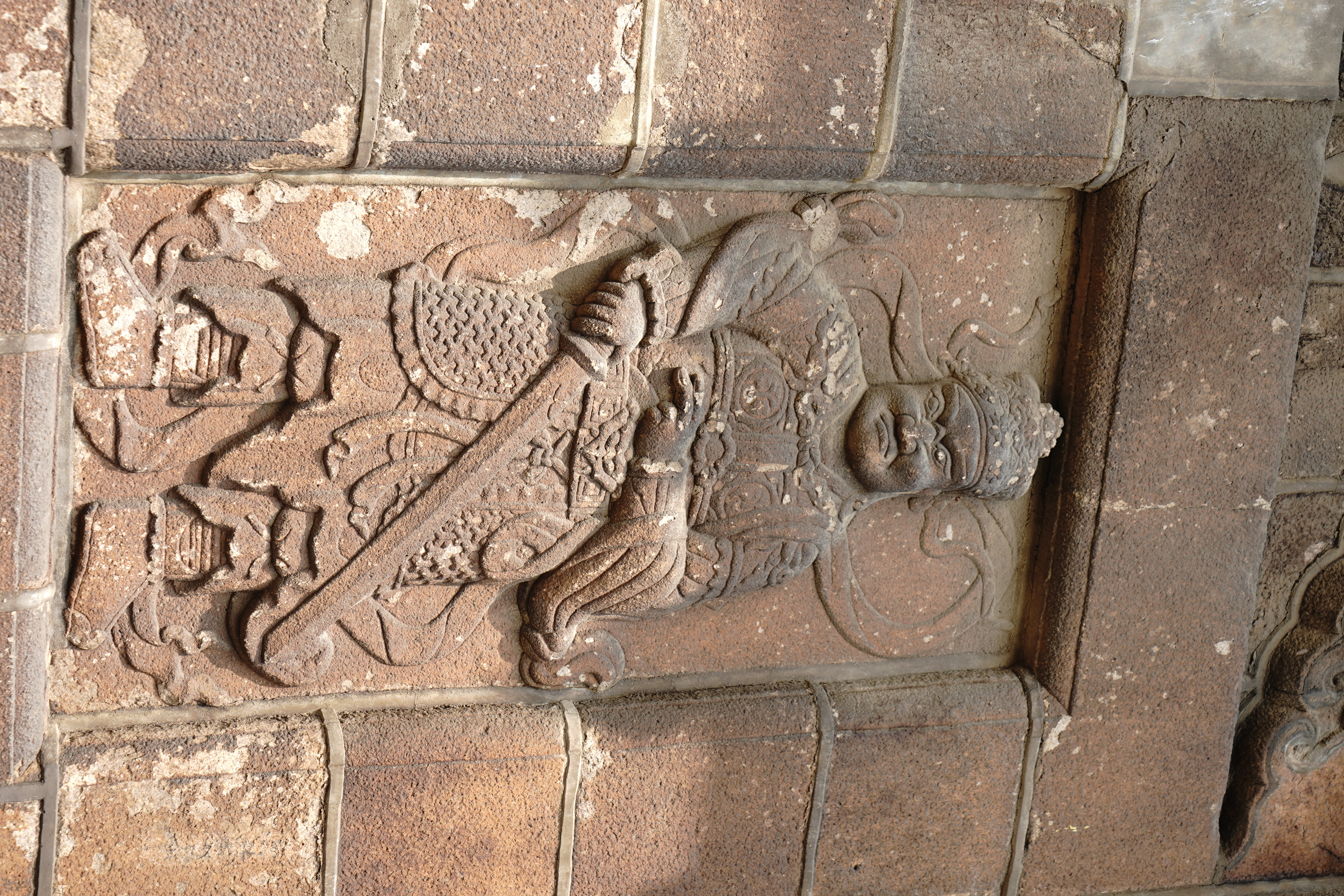
I walked through the city and kept saying to myself: "Chaotic, but in order. Old, but evolving." It's not just what I noticed. It became the rule I used to understand everything. Beside Guanyue Temple, a "random place" revealed itself as a three-dimensional hive of brick and concrete, with cracked walls, roof grass, spiral stairs, and unexpectedly fashionable stores. The building's age was unmistakable. So was its reinvention.
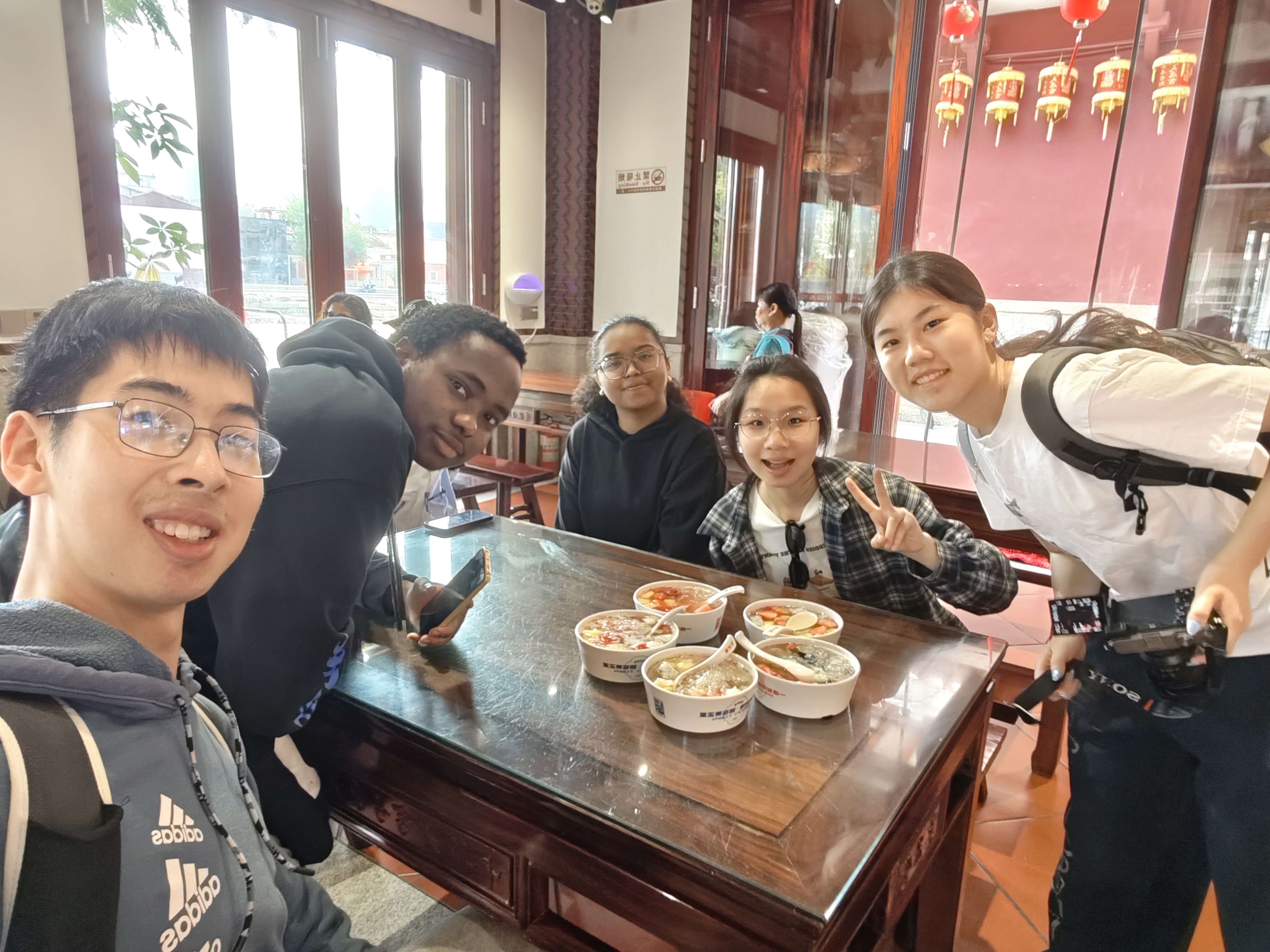
Inside that maze, I found young people gathered in a coffee shop talking about love, careers, the future, and pets. A jewelry store sat near a photography space. The sacred and everyday commerce don't cancel each other out. They sharpen one another. The city doesn't resolve contradiction. It inhabits it.
My conversation with a taxi driver pulled at the same thread. She spoke of decline after the pandemic, of a night market once more vibrant than it is now, and of a shift toward tourism as a sign of weakened faith in productive growth. But what worried her more deeply was cultural, not economic: whether younger generations would inherit traditions of religious and ancestral worship, or whether modernity would thin them out into performance.
I tried to hold both things at once: the knowledge that modern life is already here, speaking over coffee upstairs, and the knowledge that this city's continuity still depends on practices that are embodied, repeated, and believed. The city walk became a walk through tension: heritage not as museum display alone, but as a fragile living habit still being lived.
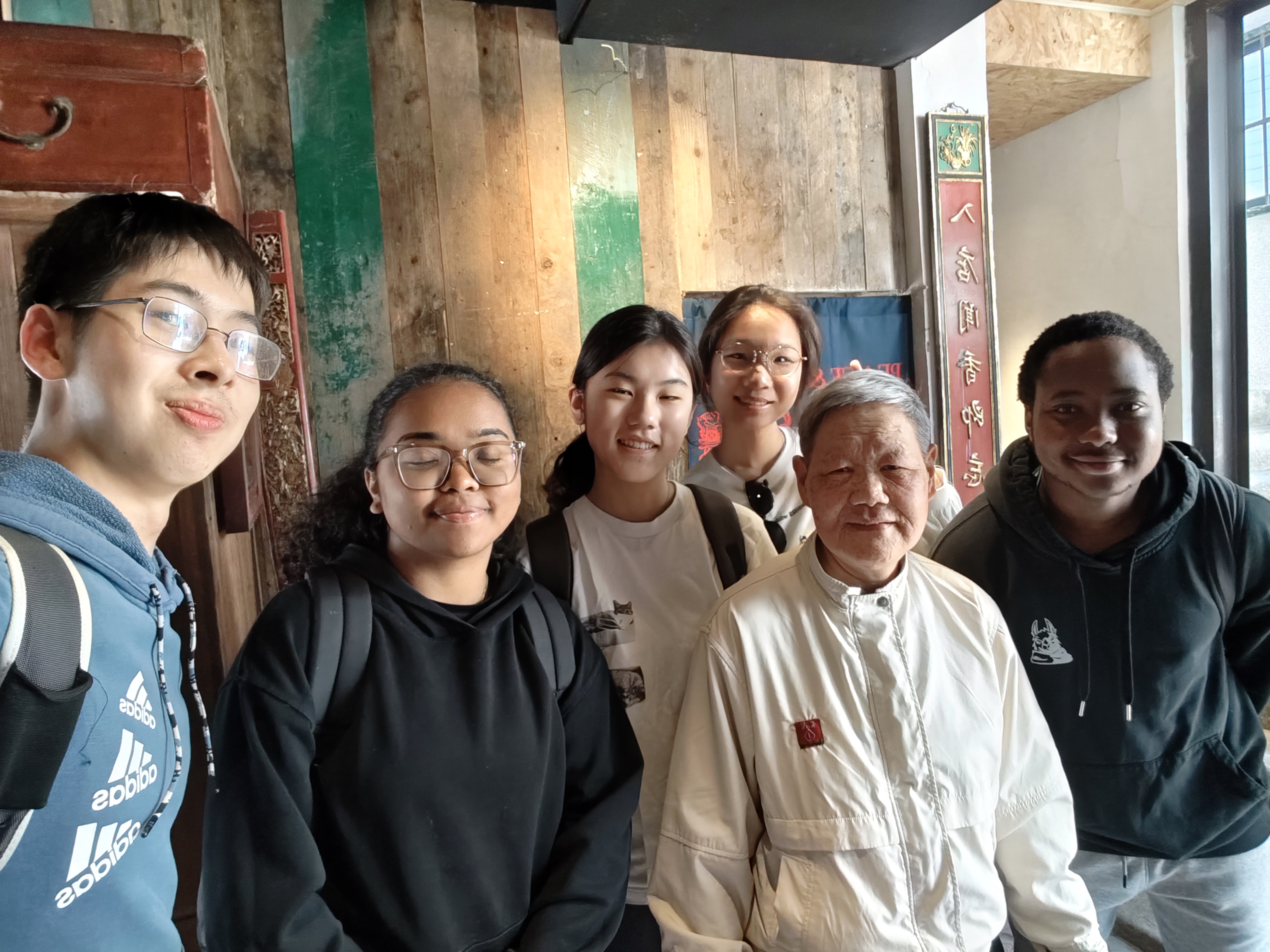
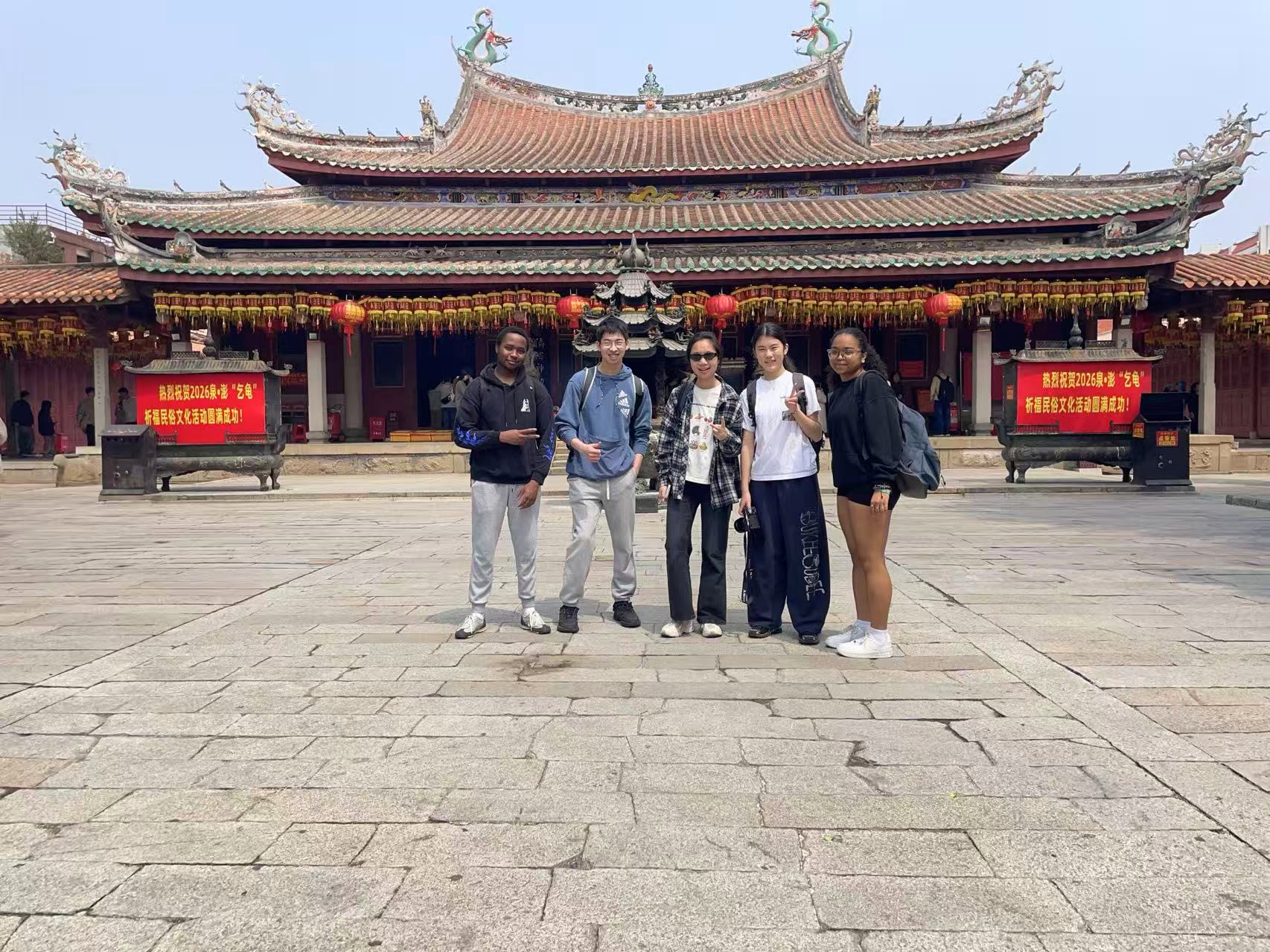
Stepping back in time, without leaving the present
At Tianhou Palace, I encountered grandeur in layers: Ming and Song architecture, constant prayers for luck and protection at sea, pillars that struck me as "Hindu Pillars," and a museum centered around a great ship. The palace was visually rich, but what I found myself noticing was not spectacle alone. It was the behavioral detail of place: not stepping onto the raised platform at the entrance, the discomfort I felt when someone tried to interview me, the sensed privacy of people genuinely at prayer.
I saw colorful flower headbands, long red candles burning with a sweet scent, carved figures and strange animals, and felt the vast scale of the palace itself. Walking through it, time became layered within the present — not escape into the past, but the past embodied in customs still practiced and architecture that persists. It feels like stepping back in time because time is still being held here.
A small example of Quanzhou’s unique cultural identity
“The Arabic calligraphy blended with traditional Chinese cloud patterns in a way that felt harmonious.”
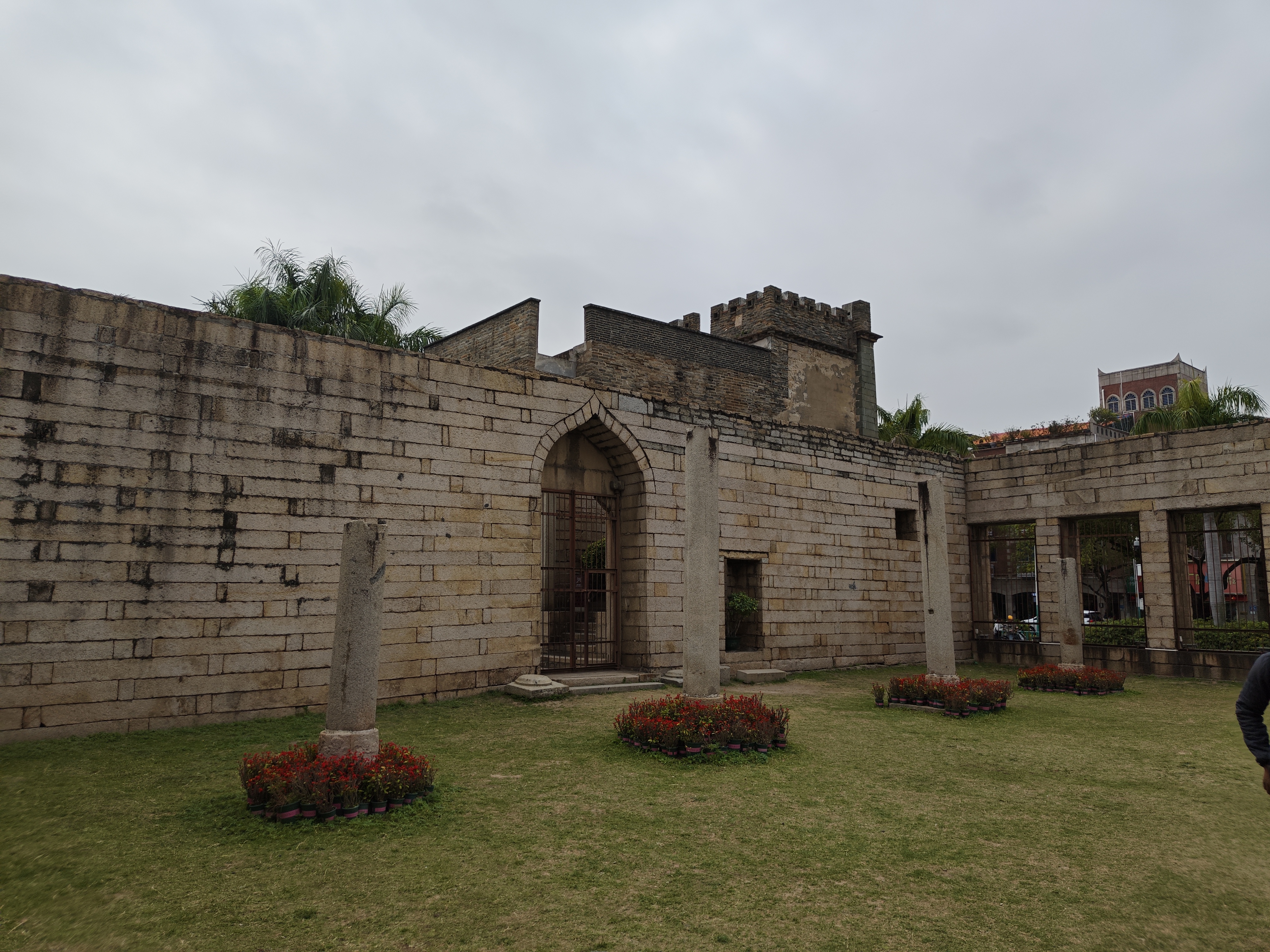
The Qingjing Mosque is where exchange becomes visible in stone. As one of the oldest Islamic sites in China, built during the Song Dynasty when Quanzhou was a key port on the Maritime Silk Road, the mosque carries history in its very existence. But what stayed with me most vividly was exact and material: a stone combining Arabic calligraphy with Chinese motifs.
That fusion kept me thinking because it felt like harmony, not contradiction. I also noticed local visitors who came not necessarily to pray, but to admire. Their presence broadened the meaning beyond religious function. It became civic memory, urban culture, and a quiet assertion that different traditions can occupy the same city without erasing each other.
Art, spirituality, discipline
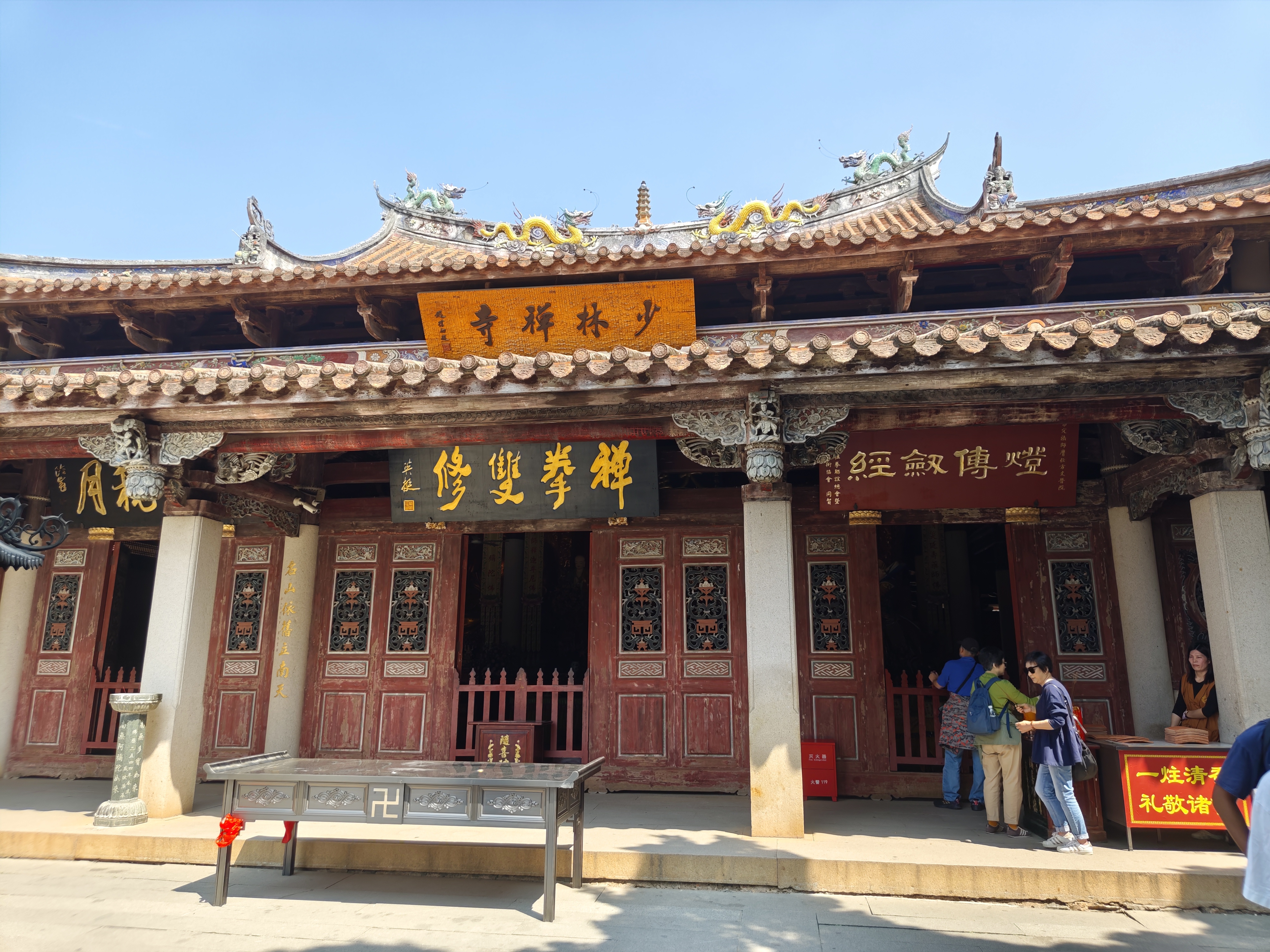
The Shaolin Temple feels peaceful, even though it is also a tourist site lined with guides and small shops. Through closed doors, I could hear students practicing martial arts. A museum traces the evolution of Shaolin tradition over time. Looking at one image on the wall — foreigners practicing martial arts — something shifted in how I understood what I was seeing.
What had once seemed like legend became contemporary and global before my eyes. The tradition is not frozen. It circulates, attracts newcomers, trains them, and transforms. The temple is "a mix of art, spirituality and discipline," and the fact that it draws both locals and foreigners doesn't dilute it. It deepens its meaning. Traditions survive because they change.
Piety, offerings, and the crisp sound of response
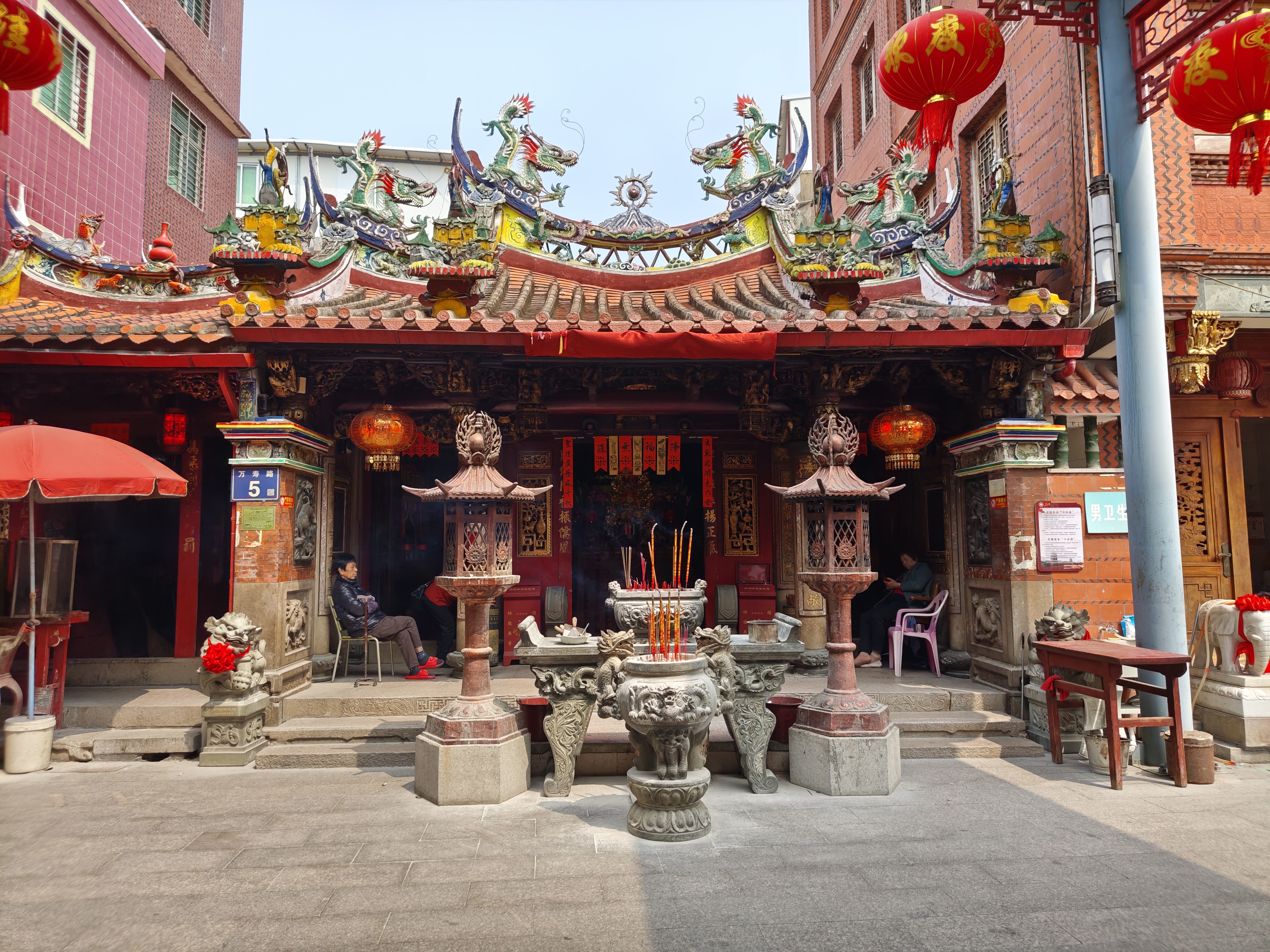
At Fumei Palace, I encountered an elderly woman at the entrance, eyes full of piety, holding a thread-bound book. She told me how a young worshipper once came, and later found a well-paid job. I didn't analyze away the anecdote. I let it sit as part of the temple's living social logic: belief tied to story, testimony, and hope.
Inside, the palace was smaller than I expected, dim and mysterious, yet also unmistakably contemporary. Bottles of Fanta and Coke appeared on the altar as offerings. The modern doesn't wait outside sacred space. It enters, gets arranged upon the altar, and becomes part of the prayer itself.
What I won't forget is watching the ritual of throwing pubei. I watched the posture, the closed eyes, the bowed body, heard the low but firm voice making a request, watched the deliberate cast, and then heard the "crisp, echoing sound" when the pieces struck the ground. In that moment the temple wasn't just something I was seeing. It was something I was hearing. Faith was acoustics as much as image.
Connection
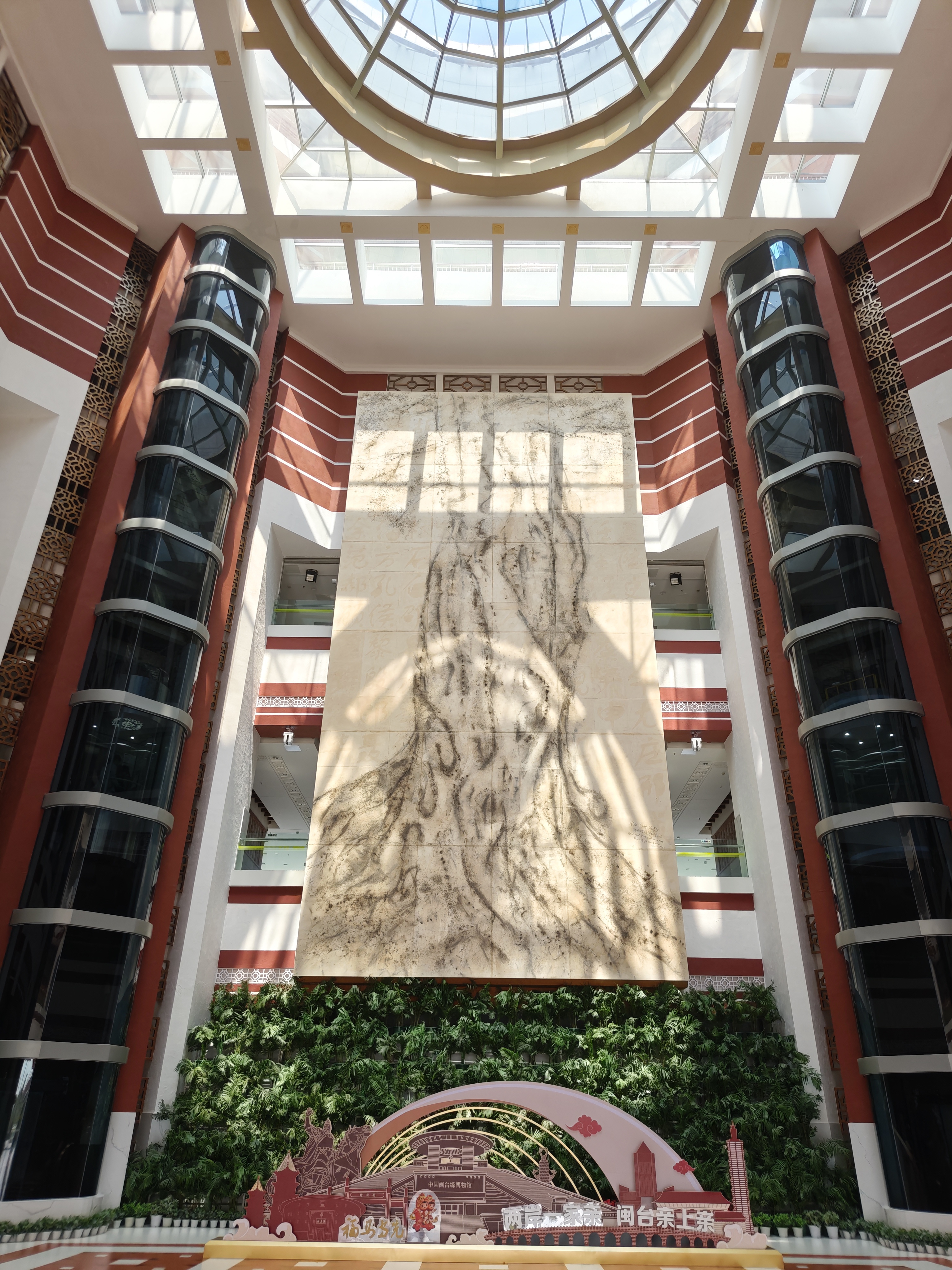
“If one were to describe the theme of the Museum of Fujian–Taiwan Kinship in a single word, it would be ‘connection.’”
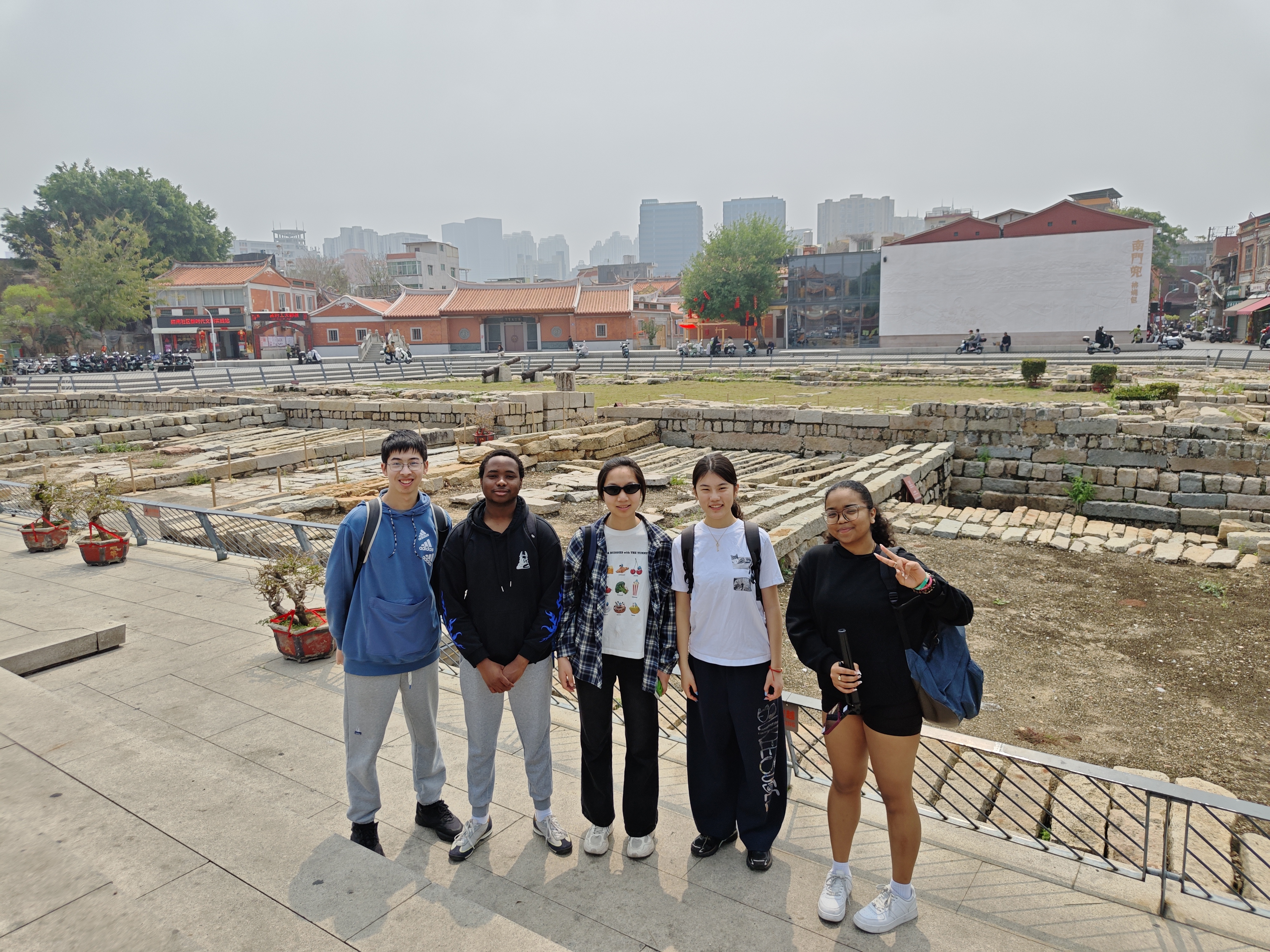
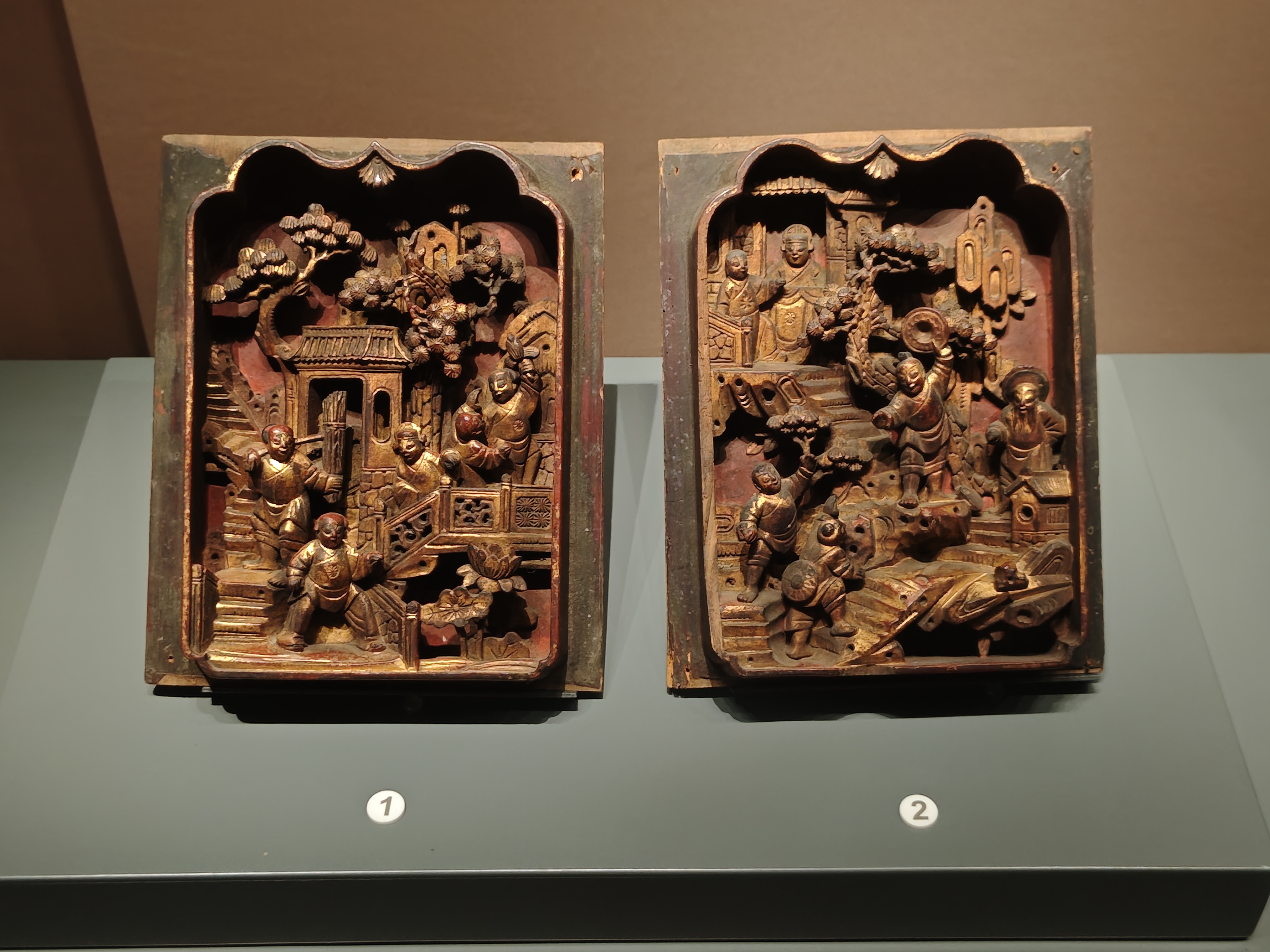
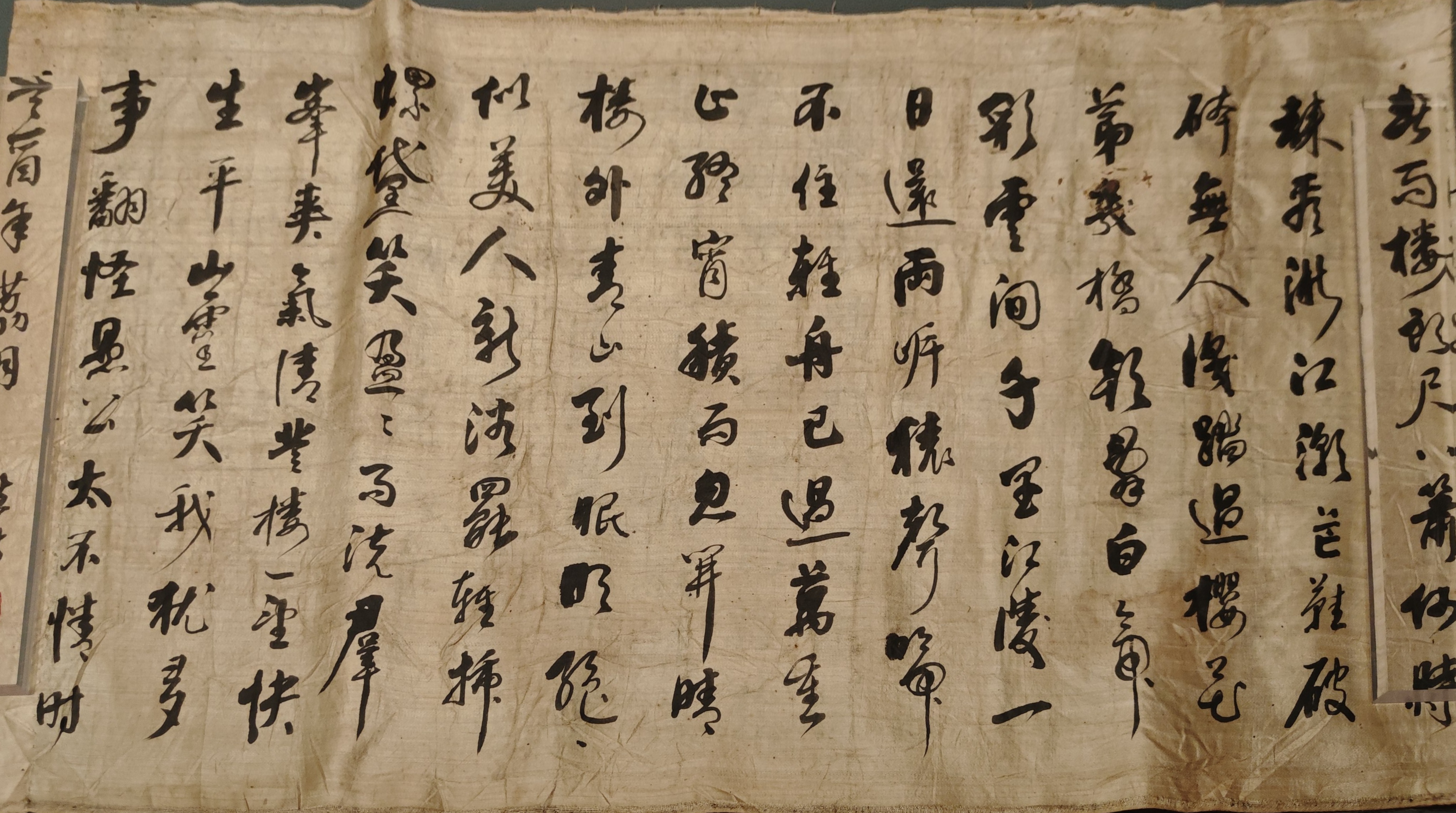
I moved through this museum understanding it as more than a museum — it is the story of a city and the shared history across the Taiwan Strait. I began with the building itself — red-tiled roof, symmetrical structure, expansive square — and read the architecture as an entry into Minnan historical depth. The theme grew outward from there into migration, kinship, settlement, and emotional inheritance. Stories of leaving and staying, of carrying culture across water.
The exhibits drew me through structure and time: maps, documents, ship models, folk rituals, opera, imperial examinations, and all the cultural practices that reveal how deeply Fujian and Taiwan are connected. The museum's interactivity pulled me in — I listened to songs in different dialects; the displays felt immersive enough to resemble time travel.
I found myself returning to the rotating installation on Taiwanese poetry societies. Literary circles were not presented as abstract history but as a living social mechanism: scholars communicating, responding, composing in real time. Then I came to the ceramic masterpiece Myth, whose lifelike softness conceals the hardness of fired clay. Looking at it, I thought about craftsmanship as resistance. Quanzhou looks soft with memory, but it is made of things that have endured fire.
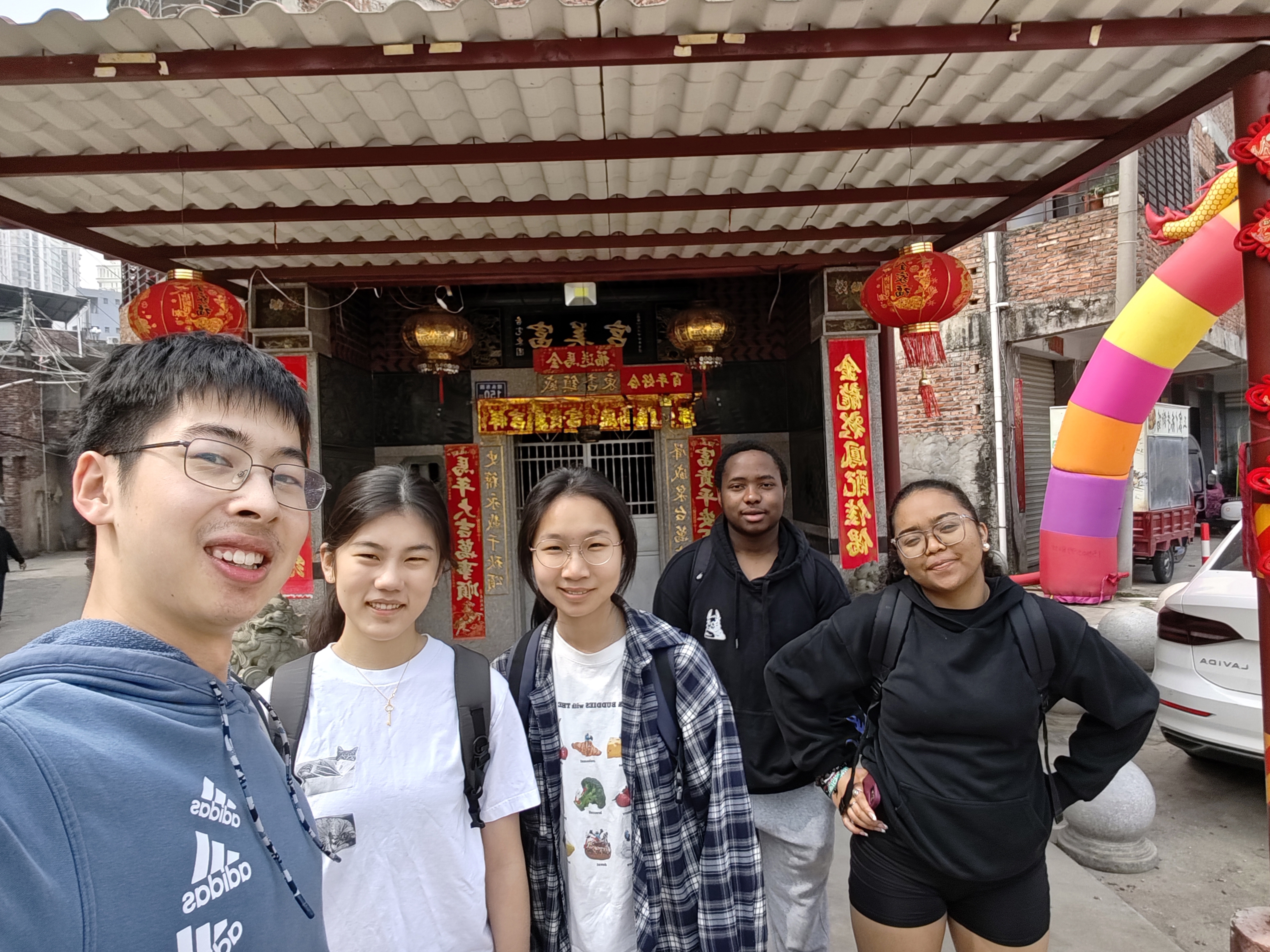
What we have to say about Quanzhou is about a city of continuities under pressure: religious, familial, artistic, architectural, and emotional. We did not flatten it into a tourist itinerary. We each encountered it as a living contradiction. Prayer shares a street with fashion. Ancient motifs meet foreign scripts. Offerings include soft drinks. Museums stage migration as intimacy. The city feels old because so much has been carried; it feels alive because so much is still being negotiated. We felt both at once.
What matters here is not that we agree, but that we paid attention. Each of us noticed a different threshold where feeling became form: a stone, a pillar, a scent, a sound, a conversation, a sculpture, a doorway not to be stepped upon. Those thresholds are ours together. We are the ones who looked long enough for the city to begin speaking back, and what we heard, we are telling you.